Stamping Time: Commemorative Postmarks That Keep Moments Alive

Travel from postal counters to community celebrations as we dive into Commemorative Postmarks as Cultural Memory and Event Documentation. We trace how a dateline, a pictorial device, and one decisive strike can crystallize civic pride, document events, and connect generations. Share your own envelope memories, subscribe for deep dives, and help expand a living archive built from small circles that carry big stories.

Where It All Began: Postal Rituals That Learned to Remember

World’s fairs, railways, and the first celebratory cancellations

By the late nineteenth century, expositions and railway anniversaries popularized decorative cancellations that celebrated progress and place. Visitors queued for the experience of watching a clerk position the die with care, press decisively, and hand back a cover transformed into a keepsake with provenance, location, and a joyful sense of occasion.

Marks of conflict and recovery

During eras of hardship, special postmarks still appeared, marking relief drives, reconstruction openings, or remembrance days. Their ink recorded resilience without fanfare, letting future readers infer tone from place names, dates, and mottos. Such strikes became quiet evidence that communities gathered, mourned, and rebuilt, even while ordinary correspondence carried on.

Local joy pressed into ink

County fairs, library openings, museum centennials, and school reunions invited custom cancellations that distilled local pride into a compact emblem. Neighbors mailed postcards to themselves as proof of being there, creating affordable, time-stamped souvenirs whose authority rested not on marketing language but on the neutral reliability of the postal clock.

Design in a Circle: Symbols, Type, and Tiny Deadlines
Choosing symbols people instantly recognize

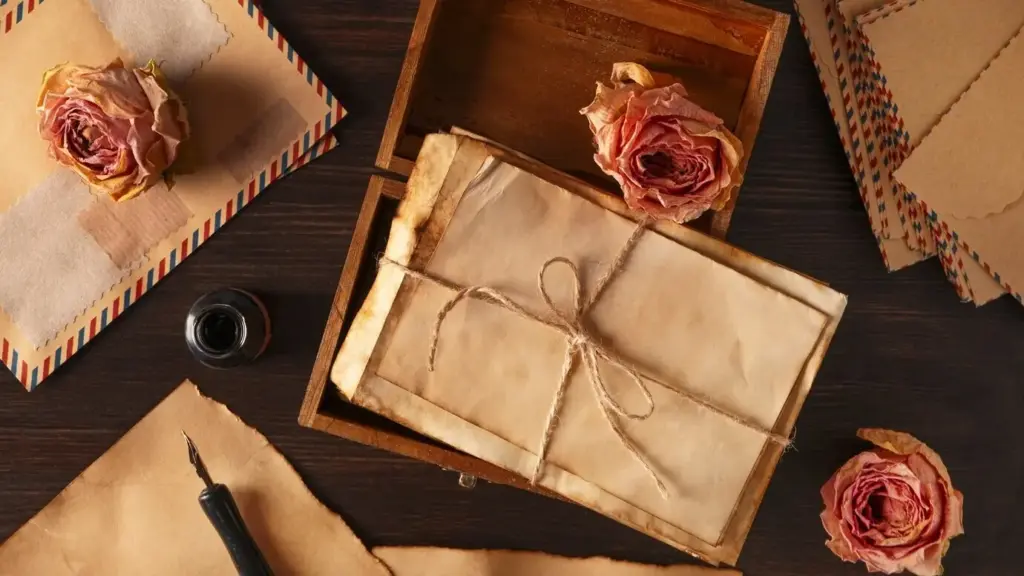
Great designs borrow from landmarks, flora, festival emblems, and historic silhouettes that residents cherish. The goal is immediate recognition, even when printed small and struck quickly. A lighthouse, bridge, instrument, or comet sketch can summarize a place or occasion, guiding recipients toward meaning before they even read the date and town name.

Manufacturing and practical constraints

Great designs borrow from landmarks, flora, festival emblems, and historic silhouettes that residents cherish. The goal is immediate recognition, even when printed small and struck quickly. A lighthouse, bridge, instrument, or comet sketch can summarize a place or occasion, guiding recipients toward meaning before they even read the date and town name.

Legibility, dating, and data for tomorrow

Great designs borrow from landmarks, flora, festival emblems, and historic silhouettes that residents cherish. The goal is immediate recognition, even when printed small and struck quickly. A lighthouse, bridge, instrument, or comet sketch can summarize a place or occasion, guiding recipients toward meaning before they even read the date and town name.

Collect, Preserve, Verify: Turning Mail into Evidence

Collectors are caretakers of public memory, and their envelopes often outlive temporary stages, banners, and headlines. Building a trustworthy collection means distinguishing enthusiastic souvenirs from later forgeries, protecting paper from humidity and light, and annotating each item with provenance. Good habits transform charming keepsakes into credible sources for historians, curators, teachers, and event planners.

Field Notes and Human Stories from the Cancellation Line

The counter is a stage where strangers trade smiles, swap pens, and share the thrill of a clean strike. Moments there create memories as powerful as the ink itself. Hearing these stories reminds us that civic rituals thrive through participation, patience, and kindness, and that documentation begins with people willing to stand and witness.

From Counter to Cloud: Opening Access in the Digital Age
Digitization extends the reach of physical strikes without replacing their warmth. Scanners, careful color management, and structured metadata allow researchers worldwide to compare designs, dates, and usage patterns. Public portfolios, community maps, and collaborative timelines transform private albums into shared knowledge, inviting corrections, memories, and new links to programs, posters, and local news.

A practical workflow for faithful reproductions
Photograph or scan at high resolution with a neutral background and color targets for consistency. Capture edges, reverse sides, and any inscriptions. Store files with descriptive names and standardized fields, then back up redundantly. Clear, repeatable steps reduce mislabeling, support cross-collection comparisons, and make collaborative research far easier for curators and independent enthusiasts alike.

Community maps and open datasets

Plot cancellations on interactive maps with dates, icons, and links to images. Invite readers to contribute missing locations, alternate strikes, or event flyers. Publishing open datasets encourages creative reuse, from classroom projects to academic studies, ensuring that a modest local mark can resonate globally through careful context and generously shared, well-structured information.

Put It to Work: Research, Teaching, and Event Planning

Commemorative cancellations are not just collectibles; they are compact research tools and community builders. Educators can teach timelines, geography, and design literacy; planners can elevate events with meaningful documentation. Readers can request strikes by mail, volunteer at stations, and share experiences here, strengthening a public record where everyday mail becomes proof of belonging.
Loveraday
Privacy Overview

This website uses cookies so that we can provide you with the best user experience possible. Cookie information is stored in your browser and performs functions such as recognising you when you return to our website and helping our team to understand which sections of the website you find most interesting and useful.