Across Envelopes and Oceans: Stories Told by Postmarks

Today we journey into Global Postmarks and Their Stories, uncovering how modest rings of ink whisper departures, detours, delays, and reunions. From creaking mail coaches and steamship decks to humming sorting machines, every imprint documents a human moment. Share your own discoveries, subscribe for fresh dispatches, and help us trace forgotten routes by contributing images, memories, and questions that keep these marks alive.

London, 1661: The First Recorded Strike

The Bishop mark, credited to Postmaster General Henry Bishop, announced month and day to discourage delays. Its simple circle wasn’t decorative; it protected trust in the mail. When you spot that crude imprint, imagine hurried clerks, candlelit counters, and a network learning to measure time. Those early circles seeded a global practice that still guides collectors’ eyes.

Maltese Cross and Penny Black Journeys

When Britain released the Penny Black in 1840, cancellation mattered. The Maltese Cross, bold and ornate, prevented stamp reuse while becoming an icon itself. Shades, inking, and locality variations now help trace offices and habits. Each crisp strike can authenticate a cover, suggest postal training quality, and capture the exuberance surrounding a new era of prepaid correspondence.

Rails, Ships, and Skies: Movement Imprinted in Ink
Mobility transformed the mail, and postmarks kept pace. Railway sorting brought speed and specialized slugs; ocean routes stamped sea-borne origins; airmail introduced transit lines that leapt mountains and deserts. Each medium left distinctive scars of travel. Trace them and you reconstruct itineraries, sense uncertainty at sea, or feel the thrill as night flights beat sunrise deadlines to distant cities.

Under Pressure: Wars, Censorship, and Field Stations
Conflict strained postal systems, yet letters persisted as lifelines. Military handstamps, censor tapes, and routing changes left layered evidence of urgency and control. Field offices moved with units, improvising supplies and schedules. These artifacts never glorify violence; they honor perseverance, telling how families bridged absence with paper, and how administrators balanced secrecy with the humane necessity of news.

Pictures in the Post: Pictorial Cancels and First Days

Ceremonial cancellations celebrate events, places, and achievements, blending utility with pageantry. Applied briefly, they create time capsules available to anyone with an envelope and patience. Chasing them offers travel excuses, conversation starters, and personal souvenirs. Whether handback strikes or mail-back requests, the process invites participation. Bring children, invite neighbors, and let curiosity become a calendar that marks meaning.

01

Waterbury Fancy Cancels and Folk Creativity

Nineteenth-century postmasters sometimes carved wooden and cork devices, producing whimsical shapes like stars, hearts, and the beloved Running Chicken of Waterbury. They solved practical problems while injecting personality into daily routine. Today, these playful imprints command attention not only for rarity but for humanity, reminding us that postal work once tolerated, even celebrated, small bursts of local artistry.

02

First Day of Issue Rituals

Queue before opening, prepare neatly addressed covers, and request crisp hand cancellations at the counter. Photograph the display, note station hours, and confirm clerk preferences. Later, compare inking quality and die wear with friends. These shared rituals encourage careful documentation and cheerful debate, turning a simple date into a communal marker where design, place, and anticipation intersect delightfully.

03

Temporary Stations and Festival Impressions

Pop-up postal desks appear at fairs, museums, and sports events, offering limited-time devices that mirror local pride. Planning matters: check announcements, bring protective sleeves, and anticipate lines. Each strike fixes music, food, and laughter into fibers. When archived with tickets or programs, they form narrative bundles, instantly transporting future readers back to weather, smells, and conversations worth revisiting.
Decoding Marks: Dates, Numbers, Languages, and Errors
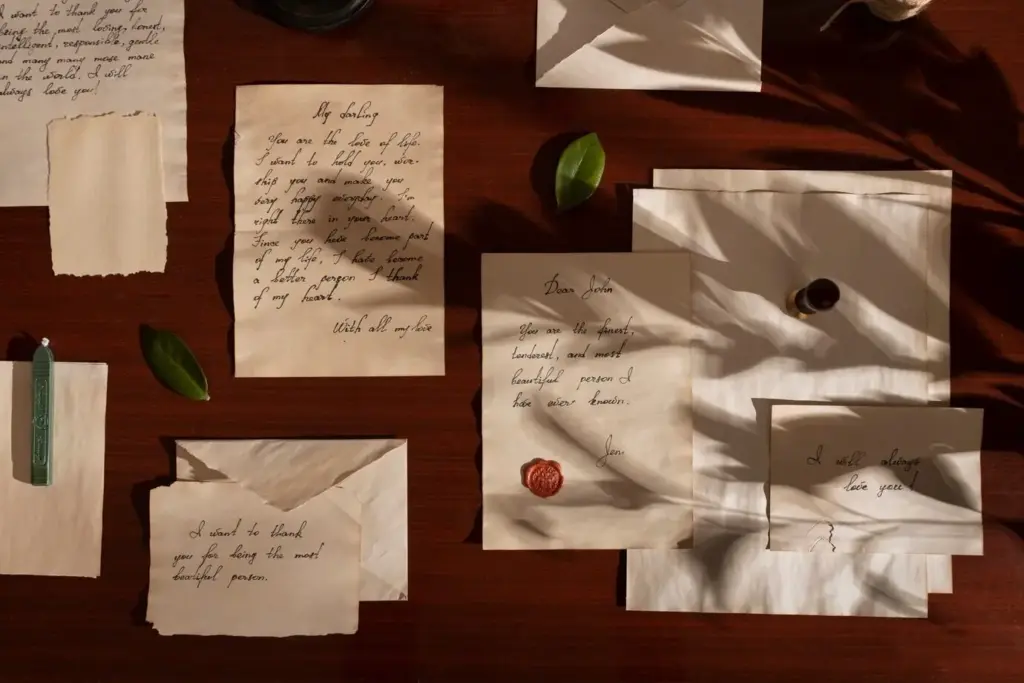
Learning to read postmarks is like acquiring compass skills. Date wheels hide seasons; time slugs hint at shifts; office numerals pinpoint geography. Scripts reveal empires and reforms. Even mistakes—reversed digits, doubled strikes—offer evidence. With patience, you reconstruct journeys objectively, strengthening stories against speculation. Mastery grows from slow looking, good light, and comparative examples generously shared by fellow enthusiasts.

Collect, Preserve, and Share: Building a Living Archive

Great collections begin with stories, not prices. Gentle handling, acid-free materials, and thoughtful organization protect fragile fibers while leaving room for future research. Digitizing helps outreach and safety. Invite family memories, record acquisition notes, and map origins. When you publish or exhibit, you widen the circle, ensuring these marks continue to connect strangers who might otherwise never meet.
Loveraday
Privacy Overview

This website uses cookies so that we can provide you with the best user experience possible. Cookie information is stored in your browser and performs functions such as recognising you when you return to our website and helping our team to understand which sections of the website you find most interesting and useful.